
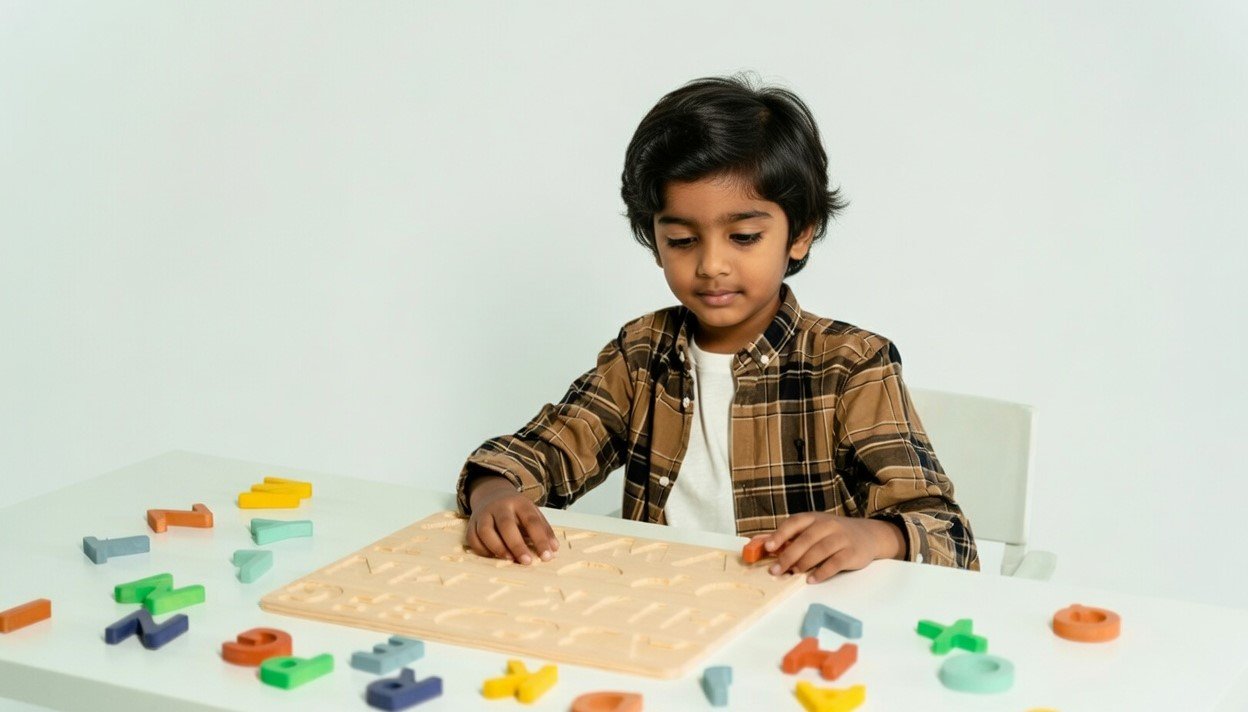
Parents in Faridabad want their children to learn, grow, and thrive in every aspect of life. Many parents often wonder what cognitive development in early childhood really means and how it impacts their child’s ability to think, learn, and solve problems. Cognitive development is a crucial part of a child’s overall growth, influencing memory, attention, reasoning, language, and problem-solving skills.
Understanding these concepts helps parents create a supportive home environment where children can explore, ask questions, and develop essential mental skills from an early age. This guide will provide simple ideas and practical strategies that parents can use at home to foster cognitive development, encourage curiosity, and help their children build a strong foundation for lifelong learning and success.
What is Cognitive Development in Early Childhood?
Cognitive development in early childhood refers to how a child thinks, learns, and understands the world around them. It encompasses essential mental processes such as memory, attention, reasoning, problem-solving, and the ability to learn new concepts and ideas. During these formative years, a child’s brain develops rapidly, making early experiences and interactions crucial for building strong cognitive skills.
Children learn best through active exploration—by seeing, playing, asking questions, and interacting with their environment and the people around them. Everyday activities like storytelling, puzzles, imaginative play, and hands-on experiments help strengthen their thinking and problem-solving abilities.
By supporting cognitive development in early childhood, parents and caregivers lay the foundation for lifelong learning, creativity, and critical thinking, helping children grow into confident and capable individuals.
Why is Cognitive Development Important for Your Child?
The importance of cognitive development in the early years cannot be overstated, as these formative years shape a child’s ability to think, learn, and understand the world. Strong cognitive development helps children grasp new concepts quickly, retain information, and solve problems effectively, giving them a head start when they enter school.
Beyond academics, cognitive growth also builds confidence, curiosity, and critical thinking skills. Children who are encouraged to explore, ask questions, and engage in learning activities develop a stronger sense of independence and the ability to make decisions. Daily experiences—such as reading, playing educational games, and engaging in creative activities—play a vital role in enhancing these skills.
Understanding why cognitive development is important for preschoolers helps parents create an environment at home that supports learning, problem-solving, and emotional growth. By fostering curiosity, offering guidance, and providing enriching experiences, parents can ensure that their children develop the mental tools they need to succeed in school and everyday life.
What Are the 5 Key Milestones of Cognitive Development in Early Childhood?
Memory Development:Children start remembering names and objects. This is part of Stages of cognitive development in early childhood.
Problem-Solving Skills:Children solve simple puzzles and tasks. This builds thinking power.
Language and Communication:Children learn new words and ask questions. This helps them express ideas.
Attention and Focus:Children start focusing on one task. They complete small activities.
Imagination and Creativity:Children enjoy stories and pretend play. This supports creative thinking.
How Does Cognitive Development Affect Child Learning?
Cognitive development plays a crucial role in a child’s ability to learn and succeed academically. Strong cognitive skills—such as memory, attention, reasoning, and problem-solving—help children understand lessons more effectively and apply new knowledge in practical situations. These skills lay the foundation for school readiness, enabling children to follow instructions, ask questions, and participate confidently in classroom activities.
The benefits of cognitive development in early childhood education extend beyond academics. Children with well-developed cognitive abilities tend to learn faster, retain information longer, and approach challenges with creativity and critical thinking. They are also better at organizing their thoughts, making decisions, and adapting to new situations, which enhances their overall performance in school and everyday life.
By nurturing cognitive development at home and in school, parents and teachers can help children build the mental skills needed for lifelong learning, curiosity, and problem-solving, giving them a significant advantage in both academic and personal growth.
What Activities Improve Cognitive Development in Early Childhood?
Parents can significantly boost their child’s cognitive development by incorporating simple, engaging activities into daily routines. Starting cognitive development activities at home allows children to learn in a familiar, supportive environment while strengthening essential thinking skills.
Activities such as puzzles, drawing, and storytelling encourage problem-solving, creativity, and imagination. Playing memory games, building with blocks, and engaging in hands-on experiments help children develop reasoning, attention, and spatial awareness. Storytelling not only improves language skills but also fosters comprehension, sequencing, and critical thinking.
Other interactive activities like role-playing, singing educational songs, or exploring nature can stimulate curiosity and encourage children to ask questions, observe, and make connections between concepts. By consistently integrating these fun and meaningful activities, parents can create an enriching environment that enhances cognitive development at home, preparing children for school success and lifelong learning.
What is the Role of Parents in Cognitive Development of a Child?
Parents play a crucial role in guiding their children through daily learning experiences. Simple actions like talking with children, asking thoughtful questions, and encouraging curiosity help stimulate their thinking and support overall cognitive and emotional growth. These everyday interactions teach children how to observe, reason, and express themselves clearly.
Reading books together not only improves language and comprehension skills but also sparks imagination and creativity. Playing educational games, solving puzzles, and engaging in interactive activities help children develop problem-solving abilities, critical thinking, and social skills.
By being actively involved, parents create a nurturing and stimulating environment where children feel supported and confident to explore, learn, and grow. This hands-on guidance lays the foundation for strong cognitive, emotional, and social development, ensuring children are well-prepared for school and life.
How Schools in Faridabad Support Cognitive Development?
Schools in Faridabad play an important role in supporting children’s cognitive development through modern, research-backed teaching methods. These schools offer preschool programs specifically designed to stimulate thinking, problem-solving, memory, and creativity, helping children build a strong foundation for future learning.
Many parents also choose to register their children for preschool cognitive development programs to provide structured learning that complements home activities.
In addition to classroom activities, schools guide parents by recommending the best cognitive development programs for kids, ensuring that learning continues seamlessly at home. This partnership between teachers and parents creates a well-rounded approach, allowing children to grow intellectually, socially, and emotionally while preparing them for success in school and beyond.
Tips for Parents to Support Cognitive Development at Home
Parents can significantly support their children’s cognitive development by taking small, consistent steps each day. Simple daily habits create a nurturing environment where children feel encouraged to explore, ask questions, and learn from their surroundings.
Talking to your child every day, asking simple questions, and listening carefully not only strengthens communication skills but also enhances critical thinking and reasoning. Reading storybooks together improves language, comprehension, and imagination, while playing interactive games fosters problem-solving, memory, and creativity. Limiting screen time and encouraging outdoor play helps children develop attention span, social skills, and physical coordination, all of which contribute to well-rounded cognitive growth.
By consistently applying these simple practices, parents provide a strong foundation for their child’s learning and development. These small daily actions deliver significant benefits, enhancing cognitive skills, school readiness, and overall growth, while fostering curiosity, confidence, and a lifelong love of learning.
FAQs
What is cognitive development in early childhood?
Cognitive development in early childhood refers to how children think, learn, and understand the world around them. It includes the growth of skills such as memory, attention, problem-solving, language, and reasoning. During these formative years, children absorb information rapidly, make sense of their surroundings, and develop the mental abilities needed for future learning and decision-making.
Why is cognitive development important for children?
Cognitive development is crucial because it helps children learn faster, understand concepts more deeply, and develop strong thinking and problem-solving skills. It also supports school readiness, improves social interactions, and builds confidence in their abilities to explore, question, and navigate challenges in daily life.
What are examples of cognitive development?
Examples of cognitive development in young children include solving puzzles, asking questions, remembering instructions or events, recognizing patterns, exploring cause and effect, and engaging in imaginative play. These activities help strengthen memory, reasoning, and decision-making skills.
How can parents improve cognitive development?
Parents can support cognitive development by talking to their children regularly, reading books together, asking open-ended questions, and engaging in educational games or hands-on activities. Encouraging curiosity, creative play, and exploration at home helps children develop critical thinking, attention, and problem-solving skills.
What are signs of delayed cognitive development?
Signs of delayed cognitive development may include slow or limited speech, difficulty focusing or following instructions, low curiosity, lack of interest in learning or play, trouble remembering information, or difficulty solving simple problems. Early recognition and support from parents and professionals can help children overcome these challenges and improve their developmental outcomes.
Conclusion
Understanding what cognitive development in early childhood entails helps parents take informed steps to support their child’s growth and learning. By recognizing how children think, learn, and process information, parents can create a nurturing environment that encourages curiosity, problem-solving, and confidence.
Children grow step by step, and consistent love, attention, and guidance from parents play a critical role in shaping their cognitive, emotional, and social development. Small daily actions—such as talking, reading, playing, and exploring together—can have a lasting impact on a child’s abilities and overall well-being.
For parents in Faridabad, actively engaging in their child’s development, in partnership with schools and educational programs, ensures a balanced approach that fosters learning, creativity, and critical thinking. By supporting cognitive development early on, parents help their children build a strong foundation for future success, enabling them to thrive academically, socially, and emotionally in every stage of life.