Introduction
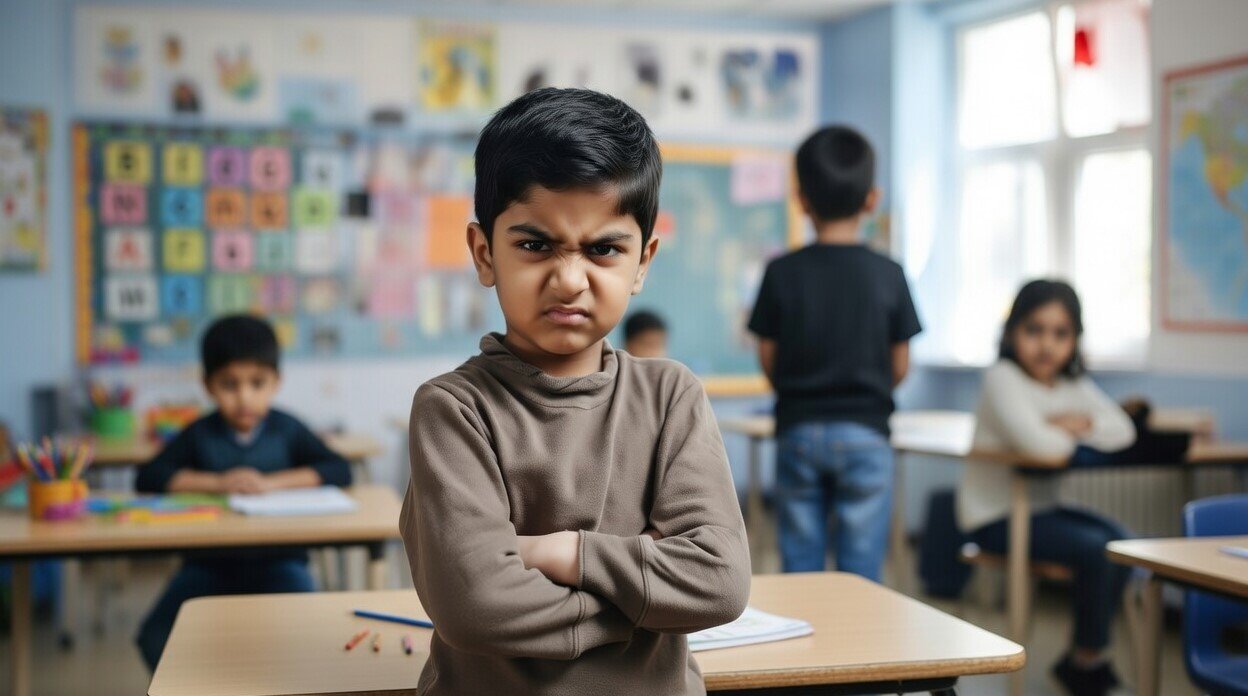
It feels stressful when your child shows anger in school. Many parents in Faridabad and across India face this problem today. How to handle an angry aggressive child in school is a common worry for families. You may feel confused, upset, or even blamed by others. But this situation can improve with the right steps. Your child needs support, not fear.
In this guide, you will learn simple and clear ways to manage your child’s anger. These steps are easy to follow in daily life.
Why does a child become angry or aggressive in school?
Children often feel angry when they cannot express their emotions clearly. Feelings like hurt, fear, or confusion stay inside them, and this hidden stress can come out as anger. They may not have the words to explain how they feel, so acting out becomes their way of expressing themselves. School pressure is another common reason in India. Homework, exams, and fear of marks can make children anxious and frustrated. This often leads to dealing with angry students becoming a challenge for parents and teachers alike.
Sometimes, children face bullying, teasing, or feel ignored by classmates. These experiences make them feel weak, unsafe, or rejected. Aggressive behavior may be their way of protecting themselves or demanding attention. Children also learn by observing others. If they see shouting, arguments, or anger at home or around them, they may imitate that behavior in school. Modeling calm responses at home can help reduce aggression. Other factors like lack of sleep, irregular meals, or too much screen time can worsen mood and increase irritability. Even small daily habits can affect a child’s ability to stay calm.
Understanding the reasons behind your child’s anger is the first step toward helping them. With patience, care, and consistent support, you can guide your child to manage emotions in a healthier and more positive way.
How to identify if your child’s aggression needs attention?
Watch your child’s daily actions at home and school. If your child shouts, hits, or throws things often, take it seriously. Teachers may complain about managing disruptive behavior in class. This is an early warning sign for parents.
If your child gets angry very fast or refuses to listen, you should notice it. These signs show emotional struggle. Look for changes in behavior. Sudden anger, silence, or sadness can mean deeper issues.
Normal anger happens sometimes in children. But repeated aggression needs attention and support. Early action helps your child learn better habits. Ignoring it can make the problem worse later.
How to handle angry aggressive child in school effectively?
Start with calm and friendly talks at home. Sit with your child and ask simple questions about their day. Listen with full attention. Do not react with anger when your child shares something. Stay calm so your child feels safe to speak.
Teach easy techniques like deep breathing or counting numbers. These help in managing aggressive behavior in classroom situations. Stay in touch with teachers regularly. This teamwork helps in dealing with an aggressive child in the classroom better. Set clear rules at home and explain them daily. Children need simple and repeated guidance. Show love and support every day. When children feel safe, they behave better. Small daily steps create long-term positive change.
What are the best classroom behavior management strategies for aggressive children?
Teachers can use simple and consistent strategies to guide aggressive children in the classroom. One of the most effective methods is praising good behavior. When children are recognized for positive actions, they feel encouraged and motivated to repeat them. Reward systems, like giving stars, stickers, or verbal praise, make children feel happy and valued. These methods are part of strategies for teachers to handle angry students in a supportive way.
Maintaining a fixed routine in class also helps children stay calm and focused. When children know what to expect, they feel safe and secure, reducing chances of outbursts. Predictable schedules give structure to the day and minimize anxiety, which often triggers aggression. Quiet or calm spaces in the classroom are another useful tool. Children can go there when they feel overwhelmed or angry. This allows them to regulate their emotions without disrupting the class. Such spaces help in managing aggressive behavior in classroom in a practical and effective way.
Clear instructions and a calm tone of voice are essential. Children respond better when they understand what is expected without feeling threatened or confused. Using simple language and repeating instructions when necessary can prevent misunderstandings that may cause frustration. Strong collaboration between parents and teachers is very important. Sharing observations and strategies ensures consistency between home and school. This teamwork provides a strong support system and gives the child the best chance to improve behavior and feel understood.
With consistent praise, routines, calm spaces, and cooperative teamwork, teachers can successfully manage aggression while promoting a positive and safe learning environment for all children.
Can aggressive behavior in school be prevented?
Yes, you can reduce aggressive behavior with early care. Start by helping your child name their feelings like anger, sadness, or fear. When children use words, they feel more in control and less frustrated. This builds strong emotional skills from a young age.
Follow a simple daily routine at home. Fixed time for waking up, meals, study, and sleep gives children a sense of safety. This routine supports best practices for handling tantrums in school and also at home. Children feel calm when they know what comes next.
Teach values like kindness, sharing, and respect in daily life. Show these values through your own actions, as children learn by watching parents. Small acts like saying “thank you” and helping others build positive behavior.
Stay connected with your child’s teachers. Regular updates help you understand your child’s behavior in school. This helps in managing disruptive behavior in class at an early stage before it grows. Encourage open communication every day. Let your child speak freely without fear of scolding. When children feel heard, they trust you more and share their problems easily.
Focus on small daily habits like proper sleep, healthy food, and playtime. A well-rested child feels calm and happy. Physical activity helps release extra energy and reduces anger. Prevention is always better than correction. When you guide your child early with love and care, you build strong habits that last for life.
Simple Tips for Parents
- Stay calm when your child shows anger. Your reaction teaches your child how to behave. When you stay calm, your child learns control and patience. A soft tone works better than shouting.
- Talk to your child daily about feelings and school life. Ask simple questions like “How was your day?” or “Did anything upset you?” This habit helps in dealing with angry students in a better way.
- Encourage hobbies like drawing, sports, or music. These activities help children express emotions in a healthy way. They also reduce stress and improve mood.
- Teach simple calming steps like deep breathing and pausing. Show your child how to take a deep breath and count slowly. Practice these steps daily so they become a habit.
- Spend quality time with your child every day. Even 15–20 minutes of full attention makes a big difference. This builds trust and a strong emotional bond.
- Stay in regular contact with teachers. Talk about your child’s behavior and progress. This helps in how to deal with an aggressive child in the classroom in a better and consistent way.
- Be consistent with rules and routines. Follow the same rules every day so your child understands clearly. Consistency gives better and long-term results.
FAQs
How to handle an angry aggressive child in school without punishment?
You can manage anger without punishment by using calm communication. Listen carefully to your child’s feelings and ask what upset them. Teach simple coping skills like deep breathing, counting to ten, or taking a short break. Focus on understanding your child rather than scolding them. This helps children feel safe and teaches them self-control. Positive guidance works better than punishment for long-term behavior improvement.
Is aggressive behavior normal in school children?
Some anger or frustration is normal in children, especially when they face stress at school. Kids may shout, argue, or throw small tantrums sometimes. However, frequent aggression or violent behavior is a warning sign that they need guidance and support. Learning how to manage anger early helps prevent bigger issues in the classroom and at home.
What causes anger issues in school children in India?
Anger issues in children often come from school pressure, such as exams and homework. Peer conflicts, bullying, or feeling left out can also trigger aggression. Lack of emotional support at home can make children feel helpless and act out. Too much screen time, irregular sleep, and stress from family expectations can also increase irritability in children. Understanding the root cause is the first step in solving the problem.
How can teachers manage aggressive students in the classroom?
Teachers can handle anger by staying calm and using clear routines. Positive reinforcement, like praise for good behavior, works better than punishment. Setting simple rules and explaining consequences calmly helps children understand expectations. Teachers can also provide a quiet space or calm corner for children to manage emotions. These steps help children feel safe and improve overall classroom behavior.
When should I worry about my child’s aggressive behavior?
You should pay attention if your child shows anger almost every day or if it leads to hurting themselves or others. Frequent outbursts, refusal to follow rules, or complaints from school are signs to act. Sudden changes in mood, withdrawal, or constant frustration also require concern. Consulting a child psychologist or counselor early helps prevent bigger behavioral problems.
How can I help my child control anger?
Talk openly with your child about feelings every day. Teach calming steps like deep breathing, counting, or taking a break before reacting. Provide a safe and supportive environment where your child feels heard. Encourage hobbies, outdoor play, and physical activity to release stress. Stay consistent with rules, praise positive behavior, and maintain regular communication with teachers.
Conclusion
Handling an angry or aggressive child in school takes time, patience, and consistent effort. Change does not happen overnight, so it is important not to feel frustrated if progress is slow. Every small step you take counts toward building better behavior. Your love, support, and understanding give your child a sense of safety and confidence. When parents stay calm and guide their child gently, children learn to manage emotions in a similar way. A calm parent becomes a model for a calm child.
Working closely with educators at The Champs International helps create a strong support system. Sharing observations, following routines, and using consistent strategies at home and school creates a strong support system. This teamwork helps your child feel understood and supported in all environments. With the right guidance and encouragement, every child can improve their behavior. Believe in your child’s ability to learn and grow, and stay positive even during setbacks. Celebrate small victories to encourage progress.
Small changes you make today—like practicing calming techniques, building routines, or spending quality time—can create lasting improvements. Over time, these habits help your child develop emotional control, confidence, and happiness, shaping a brighter and healthier future.