
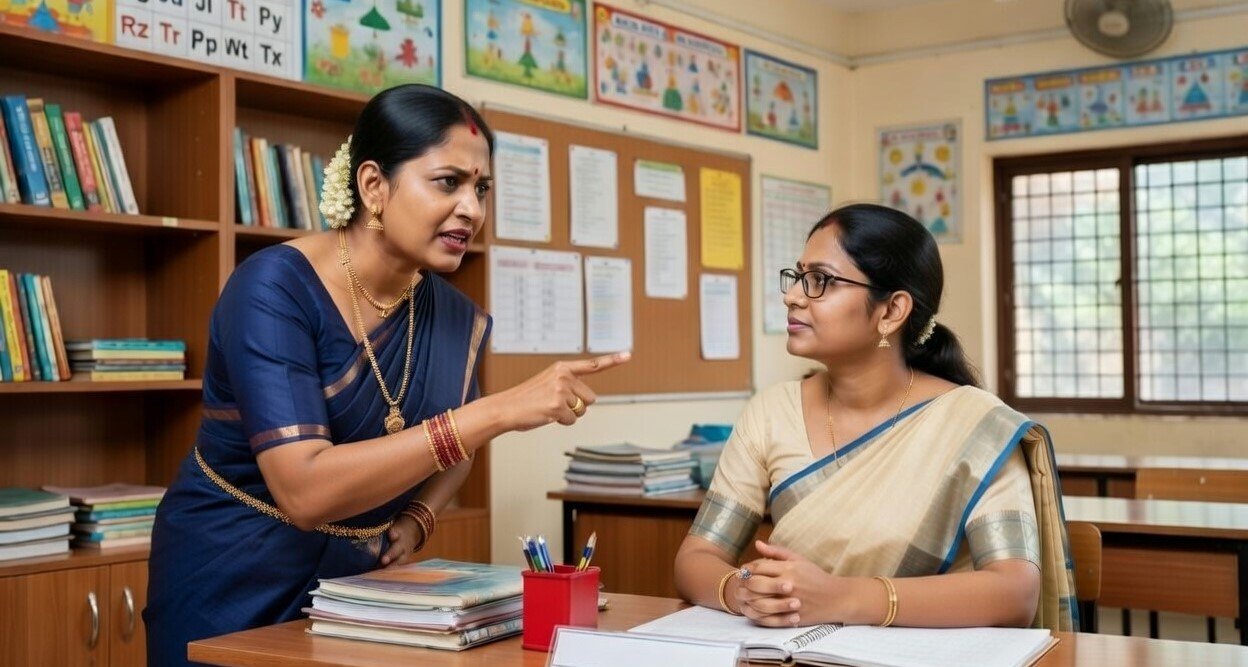
Hearing a complaint about your child can feel stressful for any parent. How to respond when another parent complains about your child is something many Indian parents think about. Such situations can happen at school, in the playground, or during tuition time. Parents may feel hurt, confused, or even defensive when they hear such feedback. It is natural to have these feelings, but handling them in the right way is very important.
In Faridabad, many parents face such situations in daily life. It is important to stay calm and think clearly before speaking. A smart response helps protect your child and keeps respect with others. Good handling of such situations builds strong parenting skills.
What should you do first when another parent complains about your child?
The first step is to stay calm and listen carefully. Do not interrupt or react quickly. Let the other parent share their full concern without stopping them. This helps you understand the situation clearly. A patient start always leads to a better conversation.
When you listen with patience, you avoid confusion and wrong assumptions. Many parents learn to stay quiet first when a parent complains about your child. A calm response reduces tension between both sides. It also shows maturity and respect.
Take a deep breath and keep your tone soft and steady. This helps you control your emotions and think clearly. A good start can change the whole conversation in a positive way. Listening first always helps you respond better later.
How to respond when another parent complains about your child politely?
Parents should always speak in a polite and respectful way. You can listen and say you will check the matter with your child. It shows that you take the concern seriously.
Think about what to say when another parent complains about your kid before replying. Use simple and calm words that do not hurt the other person. You can say, “I will talk to my child” or “Thank you for sharing this with me.”
A polite response keeps the situation peaceful and under control. It avoids arguments and helps both parents stay calm. Respectful communication builds trust and understanding. It also makes it easier to solve the problem together.
Why is it important to stay calm during parent complaints?
Staying calm helps you think clearly and take the right decision. If you react with anger, the problem can become bigger. A calm mind helps you handle the situation in a better way. It also keeps the conversation respectful.
Parents learn how to deal with difficult parents in school situations by controlling their emotions. Children watch their parents and learn from their behavior. When you stay calm, your child also learns how to handle problems peacefully.
A calm response builds respect and trust between parents. It also helps in solving the issue faster and in a better way. Emotional control is an important parenting skill. It helps you handle many situations in daily life with confidence.
How to handle complaints about your child at school?
In school situations, the first step is to talk to the teacher for a clear understanding. Teachers see what happens in class and playground. They can explain both sides of the story. This helps avoid confusion between parents. A clear view helps you take the right step.
Many parents learn how to handle complaints from other parents at school by involving teachers early. This keeps the discussion fair and balanced for everyone. Teachers can guide both parents and suggest simple solutions. Their support makes the situation easier to manage.
Work together with the school instead of arguing with other parents. A team approach helps solve the issue faster. It also creates a safe and positive environment for all children. This builds trust with the school and improves communication.
What are the best ways to resolve conflict with other parents?
Always focus on solving the problem instead of blaming each other. Speak in a clear and respectful way during the conversation. Try to understand the other parent’s concern without getting angry. This helps create a calm and positive discussion.
This is the best way to handle complaints about your child from other parents. Respectful communication reduces tension and avoids arguments. It makes both parents feel heard and valued.
Keep the child’s well-being as the main focus in every discussion. Avoid personal comments or emotional reactions. Good communication builds trust and better relationships. It also helps prevent similar problems in the future.
What mistakes should parents avoid during such situations?
Parents should avoid getting angry or raising their voice during the conversation. Do not blame the other child without knowing the full facts. Avoid ignoring the issue, as it can grow bigger later. A calm approach always works better. Quick reactions can make the situation worse and create more conflict. Many parents make mistakes by acting in anger or frustration. This can harm relationships with other parents and the school. It also affects the child’s confidence.
Think before speaking and choose your words carefully. Avoid harsh language or blame. A balanced and thoughtful approach helps solve the issue in a better way. Smart actions always lead to positive results.
Tips for Parents
Parents can follow simple and practical steps to handle such situations in a better way. These steps help maintain peace and protect your child’s confidence. Small efforts from parents can create a big difference.
Helpful tips for parents:
- Listen fully before speaking and avoid quick reactions
- Stay calm and use polite words in every situation
- Follow tips for handling complaints about your child to manage issues wisely
- Talk to your child and understand their side clearly
- Focus on solutions instead of arguments and blame
These steps help parents stay in control during tough situations. They also improve communication and understanding with others. A calm and thoughtful parent helps build a confident and emotionally strong child.
FAQs
What should I say when another parent complains about my child?
You can respond in a calm and polite way. Listen carefully and say you will check the matter. This shows respect and maturity. It also helps in what to say when another parent complains about your kid. A simple and kind response keeps the situation peaceful.
What if the complaint is not true?
Stay calm and do not argue or react with anger. Talk to your child and understand the full situation. Then explain your side in a polite and clear way. A respectful response helps avoid conflict. It keeps the discussion under control and peaceful.
Should I defend my child immediately?
Do not defend your child without knowing the full story. First listen to the complaint with patience. Then talk to your child and understand their side. This helps you respond in a balanced and smart way. It also avoids misunderstanding.
How can I avoid conflict with other parents?
Use polite communication and stay calm during the conversation. Focus on solving the issue instead of blaming. Try to understand the other parent’s concern. This helps in solving issues with other parents peacefully. Good communication builds better relationships.
When should I involve the school?
Involve the school if the issue happens again or becomes serious. Teachers can guide both sides and explain the situation clearly. This helps in how to handle complaints from other parents at school. A school’s support makes the solution easier and fair.
Conclusion
Every parent may face a situation where someone complains about their child. It is a normal part of parenting and growing up. What matters most is how you handle the situation. Staying calm and thinking before reacting can make a big difference especially when the concern comes from another parent at school.
Now you know how to handle complaints about your child in a calm and smart way. You also understand how to speak politely in such situations. These steps help build trust and better relationships with other parents.
Take simple steps and handle such situations with patience and care. Focus on how to react when a parent complains about your child in a calm and positive way. This not only helps your child grow with confidence but also teaches them how to handle problems in life.