
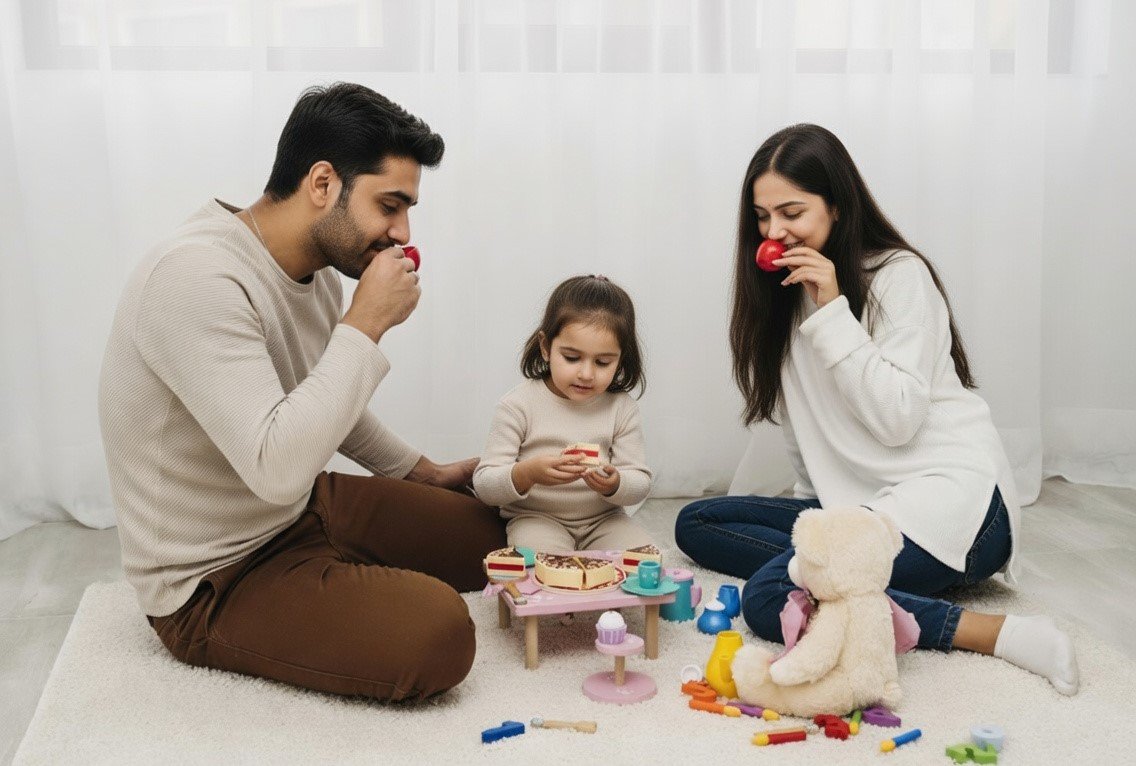
Parents in Faridabad want the best future for their children, and many recognize that active involvement in their child’s growth is crucial. A common concern among parents is understanding the importance of parenting in child development and how their daily actions and guidance shape a child’s learning, behavior, and overall personality.
Parenting plays a vital role in helping children build emotional resilience, social skills, and cognitive abilities. The way parents interact, communicate, and provide support creates a foundation for lifelong learning and confidence. Simple practices such as spending quality time together, encouraging curiosity, setting routines, and reinforcing positive behavior can significantly influence a child’s development.
What is the Importance of Parenting in Child Development?
The importance of parenting in child development refers to the crucial role parents play in guiding, teaching, and supporting their children as they grow. Parents are a child’s first teachers, shaping not only academic skills but also emotional, social, and moral development.
Through daily interactions, parents help children learn values, establish healthy habits, and develop essential life skills such as problem-solving, communication, and empathy. Simple acts like encouraging curiosity, praising effort, setting routines, and modeling positive behavior have a lasting impact on a child’s overall growth.
The role of parents in child development extends beyond the home as well. By providing a supportive and nurturing environment, parents help children build confidence, resilience, and a love for learning, which prepares them to succeed in school and life. Ultimately, consistent guidance, attention, and care from parents lay the foundation for well-rounded, capable, and emotionally balanced individuals.
Why Does Parenting Matter More Today?
In today’s fast-paced, technology-driven world, children spend more time than ever on screens, including smartphones, tablets, and computers. While digital tools can offer learning opportunities, excessive or unsupervised screen time can affect attention, social skills, and emotional development. This makes active parenting more crucial than ever.
Parents play a key role in guiding their children toward healthy habits, balancing online and offline activities, and helping them develop critical thinking and social skills. Beyond technology, modern children face increasing academic pressures and exposure to diverse influences, making parental support, love, and guidance essential for their well-being.
This highlights why parenting is important for child growth in today’s world. By providing consistent support, setting boundaries, encouraging curiosity, and fostering emotional intelligence, parents can help their children navigate challenges, build resilience, and grow into confident, well-rounded individuals. Strong parenting today lays the foundation for children’s long-term success and happiness.
What Are the 8 Strong Reasons Why Parenting Matters in Child Development?
Builds Emotional Security :Children feel safe when parents show love and care. This helps strong emotional growth.
Supports Brain Development:Parents help children learn new things. Talking and playing builds thinking skills.
Improves Behaviour and Discipline:Children learn good habits from parents. This shows the Effects of parenting on child development.
Develops Communication Skills:Children learn to speak and express feelings. Parents guide them through daily talks.
Supports Learning and Education:Parents help children focus on studies. This improves school performance.
Builds Confidence:Children feel strong when parents support them. They believe in their abilities.
Teaches Social Skills:Children learn sharing and teamwork at home. These skills help in school and life.
Shapes Future Personality:Parenting shapes a child’s future. Good guidance builds strong character.
What Are Good Parenting Practices for Child Development?
Good parenting practices for child development involve using simple, consistent, and caring methods that nurture a child’s growth in all areas—emotional, social, cognitive, and physical. These approaches are part of smart parenting strategies designed to help children develop confidence, resilience, and essential life skills from an early age.
Effective parenting includes active communication, such as talking with children regularly, listening to their thoughts and feelings, and providing guidance in a supportive way. Encouraging curiosity, praising effort rather than just results, and modeling positive behavior also play a key role in fostering healthy development.
Additionally, setting clear routines, maintaining boundaries, and offering opportunities for play and creative exploration help children learn self-discipline, problem-solving, and social skills. By combining patience, understanding, and active involvement, parents can create a nurturing home environment that strengthens learning and ensures well-rounded child development at home.
What Are Common Parenting Mistakes to Avoid?
Parenting is a learning process, and even well-meaning parents can make mistakes that affect child development. One common mistake is not giving children enough time and attention. Busy schedules or distractions can make children feel neglected, which may impact their emotional well-being and confidence. Spending quality time daily, even in small amounts, is crucial for building strong parent-child relationships.
Another common issue is allowing excessive screen time. While digital devices can be useful for learning, too much screen exposure can affect attention, social skills, sleep, and physical activity. Parents should set healthy boundaries for screen use and encourage more interactive, hands-on activities at home.
Failing to actively listen or guide children is another pitfall. Children need to feel heard and understood, and they thrive when parents respond with patience, empathy, and encouragement. By avoiding these mistakes—prioritizing time, balancing screen use, and offering attentive guidance—parents can foster a supportive environment that promotes emotional, social, and cognitive growth, making child development at home more effective and meaningful.
How Schools in Faridabad Support Parenting and Child Development?
Schools in Faridabad play a key role in supporting both children and parents when it comes to child development. Many schools offer top child development programs that focus on holistic growth, combining academic learning with social, emotional, and creative development. These programs often include parenting guidance, helping parents understand how to reinforce learning and positive habits at home.
Parents can explore the best parenting programs for child development offered by schools, which provide practical strategies, workshops, and resources to enhance their involvement in their child’s growth. For families seeking convenience, many schools and educational organizations also offer affordable parenting training programs online, making it easier for parents to access expert guidance from home.
By partnering with schools, parents in Faridabad gain valuable insights into child development, learn effective ways to support their children at home, and create a consistent learning environment. This collaboration ensures that children receive the combined benefits of structured education at school and nurturing support at home, promoting well-rounded growth and long-term success.
Tips for Parents
Parents play a vital role in shaping their child’s growth, and even simple habits can make a big difference in child development at home. Spending quality time with your child every day helps build trust, strengthens emotional bonds, and encourages open communication. Make it a habit to talk with your child, listen to their thoughts and feelings, and guide them with patience and understanding.
Reading books together not only improves language and cognitive skills but also fosters imagination and curiosity. Engaging in playful activities, whether creative games, puzzles, or outdoor play, supports physical, social, and emotional development. These moments also teach problem-solving, teamwork, and creativity in a fun, interactive way.
Parents can further enhance their child’s growth by seeking expert parenting consultation for child development. Professional guidance provides new strategies, resources, and activities that parents can incorporate at home, ensuring well-rounded development. By combining consistent daily attention, supportive communication, and educational activities, parents can create a nurturing environment that encourages learning, confidence, and lifelong skills in their children.
FAQs
What is the importance of parenting in child development?
The importance of parenting in child development lies in how parents actively guide, teach, and support their child’s growth. Parents are a child’s first teachers and role models, shaping not only academic skills but also emotional, social, and moral development. Strong parental involvement helps children build confidence, resilience, and a love for learning that lasts a lifetime.
How does parenting affect a child’s growth?
Parenting directly influences a child’s behavior, thinking, and emotional development. Through guidance, encouragement, and consistent support, parents help children learn problem-solving, communication, empathy, and self-discipline. Positive parenting strengthens emotional intelligence and helps children navigate challenges with confidence, laying the foundation for lifelong success.
What are good parenting habits?
Good parenting habits include talking to your child regularly, listening attentively to their thoughts and feelings, and offering guidance in a supportive and patient way. Encouraging curiosity, praising effort rather than just results, modeling positive behavior, and maintaining routines are also essential practices that promote healthy child development.
Why is parenting important in early years?
Parenting is particularly important in the early years because this period forms the foundation for a child’s learning, behavior, and emotional well-being. Early experiences shape cognitive skills, language development, social interactions, and emotional regulation. Supportive parenting during these formative years ensures children grow into well-rounded and confident individuals.
How can parents improve child development?
Parents can improve child development by spending quality time with their children, and providing consistent guidance and encouragement. Simple practices like reading together, engaging in educational play, and maintaining a nurturing home environment significantly enhance a child’s emotional, social, and cognitive growth.
Conclusion
Understanding the importance of parenting in child development is essential for helping children reach their full potential. Parenting is not just about providing basic needs—it is about actively guiding, supporting, and nurturing a child’s emotional, social, and cognitive growth every day. Children thrive in an environment filled with love, care, and consistent guidance, where parents take the time to listen, encourage, and participate in their learning and play.
For parents in Faridabad, this means combining home support with the resources from school and online programs. By following good parenting practices, avoiding common mistakes, and seeking guidance through expert consultations or parenting classes, parents can create a balanced, supportive environment that promotes healthy growth.
Ultimately, the right parenting approach equips children with confidence, resilience, and essential life skills, preparing them for success in school, relationships, and life. Every small step parents take—whether it’s reading together, having meaningful conversations, or encouraging curiosity—contributes to building a strong, well-rounded future for their children.