
Parents in Faridabad are witnessing rapid changes in education today as schools increasingly adopt digital tools for teaching and learning. Technology based learning has become a key part of modern education, offering students access to online lessons, interactive apps, and digital resources that make studying more engaging and flexible.
However, while these tools provide many opportunities, it is equally important to understand Technology based learning advantages and disadvantages of technology-based learning before deciding the right approach for your child. Knowing the benefits can help parents maximize learning outcomes, while awareness of potential challenges—like excessive screen time, distractions, or reliance on gadgets—ensures children stay balanced, focused, and healthy.
By carefully evaluating both sides, parents can make informed decisions that combine traditional learning methods with modern digital tools, creating a well-rounded education that supports academic growth, skill development, and overall confidence in their child.
What is Technology Based Learning in Education?
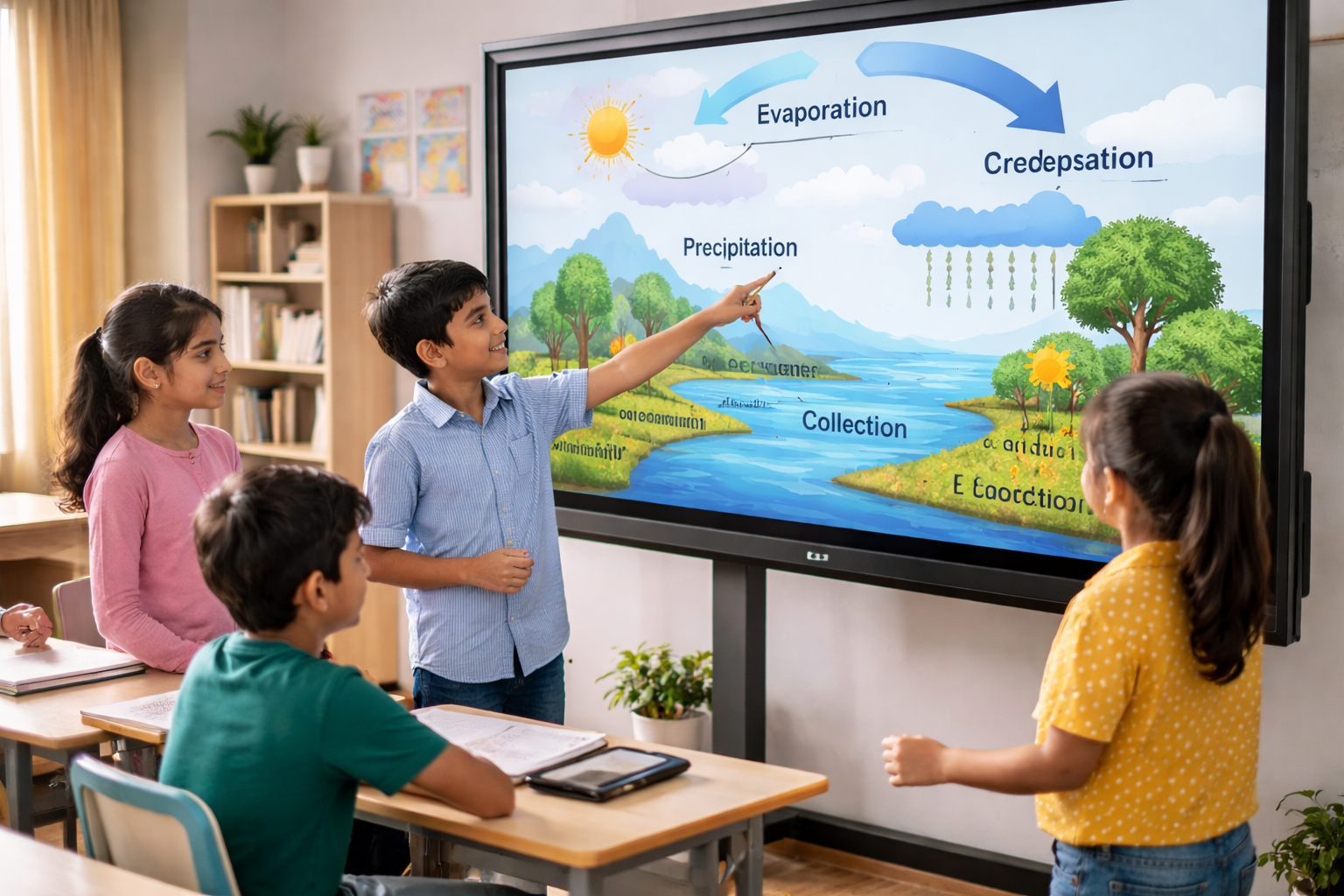
Technology-based learning refers to using digital tools such as mobile apps, educational videos, interactive quizzes, and smart boards to enhance the learning experience. Many schools across India now implement smart classroom technology for schools in India, integrating these tools into daily lessons to make education more engaging, interactive, and easier to understand.
Through technology-based learning, children can visualize complex concepts using animations, graphics, and simulations, which helps them grasp ideas faster. Interactive activities, games, and multimedia lessons make studying enjoyable and keep students motivated. This method also encourages curiosity, critical thinking, and problem-solving, as children can explore topics in depth and learn at their own pace.
By combining traditional teaching methods with modern digital tools, students experience a balanced, fun, and effective learning environment that prepares them for both school and future challenges.
What Are the Technology Based Learning Advantages and Disadvantages?
Advantages of Technology Based Learning
- Simplifies Learning: Interactive videos, animations, and digital tools make complex topics easier to understand, improving student performance.
- Flexible Study at Home: Children can access lessons anytime, pause or replay content, and review difficult topics at their own pace.
- Builds Digital Skills: Using apps, smart boards, and online resources equips children with essential digital literacy for future studies and careers.
- Increases Engagement: Gamified lessons, quizzes, and interactive exercises keep children motivated and interested in learning.
- Monitors Progress: Teachers and parents can track learning, identify gaps, and provide targeted support for better results.
- Enhances Confidence: Revisiting lessons and mastering concepts independently boosts children’s confidence in their abilities.
Disadvantages of Technology Based Learning
- Excessive Screen Time: Prolonged use of devices can strain eyes, affect sleep, and cause fatigue.
- Distractions from Games and Videos: Children may get sidetracked by non-educational content, reducing focus on learning.
- Reduced Physical Activity: Spending too much time indoors on screens can limit outdoor play and exercise, affecting overall health.
- Over-Reliance on Technology: Dependence on digital tools may reduce problem-solving skills and hands-on learning experiences.
- Limited Social Interaction: Virtual learning can sometimes restrict face-to-face interactions with peers, affecting social skill development.
- Technical Issues: Poor internet connectivity or software problems can interrupt lessons and cause frustration.
How Technology Affects Education System in India?
Today, schools across India are increasingly integrating online tools, smart classes, and digital resources into their teaching methods. Understanding how technology affects education system in India is important for parents and educators, as it highlights the shift toward modern, interactive, and student-centered learning.
Many schools in Faridabad now use digital boards, educational apps, and smart classroom technology to enhance teaching. These tools help teachers explain complex topics more clearly with visuals, animations, and interactive content, making lessons engaging and easier to understand. Students can participate actively, ask questions in real-time, and revisit concepts through recorded sessions or online resources.
Technology also allows teachers to track student performance more efficiently, identify learning gaps, and provide personalized guidance. At the same time, students develop essential digital skills, critical thinking, and problem-solving abilities, preparing them for future academic challenges and careers.
Is Technology Based Learning Effective for Kids?
Many parents often ask, “Is technology-based learning effective for kids?” The answer is yes-when used correctly, technology can significantly enhance a child’s learning experience. Digital tools make lessons more interactive and visually engaging, helping children understand concepts faster and retain knowledge longer.
Technology-based learning also builds confidence, as students can revisit lessons, solve problems at their own pace, and track their progress. However, parental guidance is essential to ensure children use these tools effectively, avoid distractions, and maintain a balanced routine that includes offline learning and play.
How Digital Learning Improves Student Performance?
Digital learning offers numerous advantages that directly improve student performance. Tools like online lessons, educational apps, and interactive videos make learning more engaging and easier to grasp. This demonstrates clearly how digital learning improves student performance.
Students can review lessons multiple times, practice at their own pace, and focus on areas where they need extra help. This flexibility strengthens understanding, enhances retention, and allows children to build problem-solving and critical thinking skills.
Additionally, digital learning encourages active participation and self-directed learning, which improves concentration, accountability, and confidence. By combining technology with parental support and structured guidance, children can achieve better academic results while developing essential 21st-century skills.
How Schools in Faridabad Use Smart Classroom Technology?
Many schools in Faridabad have adopted smart classroom technology for schools in India, transforming traditional teaching methods into interactive and modern learning experiences. These classrooms integrate digital tools such as interactive whiteboards, projectors, educational videos, and online apps to make lessons more engaging.
Teachers use digital boards and multimedia content to explain concepts clearly, making learning easier and more enjoyable for students. Visual aids, animations, and interactive exercises help children understand complex topics quickly, while group activities and quizzes keep them actively involved in class.
Smart classrooms also allow teachers to track student progress in real-time and provide personalized guidance when needed. Students benefit from hands-on learning, collaborative exercises, and immediate feedback, which enhances comprehension and retention.
This approach not only improves academic performance but also builds digital literacy and 21st-century skills necessary for future success.
How Can Parents Start Technology Based Learning at Home?
Parents can easily start a technology-based learning program at home by taking small, consistent steps. The first step is to choose safe and reliable digital tools or platforms suited to their child’s age and learning level. This ensures that children get quality lessons while staying focused and engaged. Parents can register for digital learning classes for kids and actively guide them through the lessons. Sitting with children during classes, asking questions, and reviewing topics together can reinforce learning and help children feel supported.
For additional support, parents can enroll their children in online learning programs for students. Many platforms offer interactive exercises, quizzes, and progress tracking that help children master subjects at their own pace. Combining these programs with regular practice and guidance at home builds confidence, improves academic performance, and develops essential digital skills for the future.
With consistent involvement and structured routines, parents can create a balanced home learning environment that maximizes the benefits of technology-based education while keeping learning fun and effective.
Tips for Parents
Parents play a crucial role in supporting their child’s learning, especially when technology is involved. To ensure effective and balanced learning at home, here are some helpful tips:
- Set Screen Time Limits: Too much screen exposure can affect health and focus. Define specific times for online study and breaks.
- Choose Safe and Useful Apps: Pick digital learning tools that are age-appropriate, interactive, and trusted by educators. This ensures your child learns effectively and safely.
- Encourage Outdoor Play and Physical Activity: Regular outdoor games, sports, and exercise help children stay active, develop motor skills, and refresh their minds.
- Promote Reading Habits: Reading books, stories, or educational magazines enhances imagination, language skills, and comprehension abilities.
- Stay Involved in Learning: Regularly ask your child what they learned, help with challenging topics, and guide them with care.
- Communicate with Teachers: Keep in touch with teachers to track progress, discuss concerns, and get suggestions for supporting your child at home.
FAQs
What is technology-based learning?
Technology-based learning means using digital tools such as apps, online classes, videos, and interactive platforms to support education. It allows children to learn in a modern, engaging, and flexible way, both at school and at home.
What are the advantages of technology-based learning?
Technology-based learning helps children learn faster and understand concepts more clearly. It improves focus, builds digital and problem-solving skills, allows self-paced learning, and provides access to a wide range of resources beyond traditional textbooks.
What are the disadvantages of technology-based learning?
Some common challenges include excessive screen time, which can affect health, distractions from games or videos, reduced physical activity, and potential over-reliance on digital tools. Parents need to monitor usage to maintain a healthy balance.
Is technology-based learning good for children?
Yes, when used correctly and with parental guidance, technology-based learning is highly beneficial. It enhances understanding, builds confidence, and prepares children with skills needed for modern education and future careers.
How can parents manage digital learning at home?
Parents can manage digital learning by setting daily screen time limits, selecting safe and age-appropriate learning tools, creating a quiet and focused study space, encouraging offline activities like reading and outdoor play, and actively participating in their child’s learning progress.
Conclusion
Education in India is evolving rapidly with the integration of digital tools and online learning platforms. Understanding the advantages and disadvantages of technology-based learning helps parents make informed decisions that benefit their child’s growth.
When used thoughtfully, technology can make learning interactive, engaging, and personalized. Children can learn at their own pace, revisit lessons, and develop important digital and problem-solving skills. At the same time, parents must maintain a balance to prevent excessive screen time, encourage physical activity, and promote offline learning experiences.
Parents in Faridabad can use technology in a smart and guided way to support their child’s education. By combining digital learning with active involvement, structured routines, and real-world experiences, children can enjoy learning, build confidence, and prepare for a successful future in academics and beyond.