
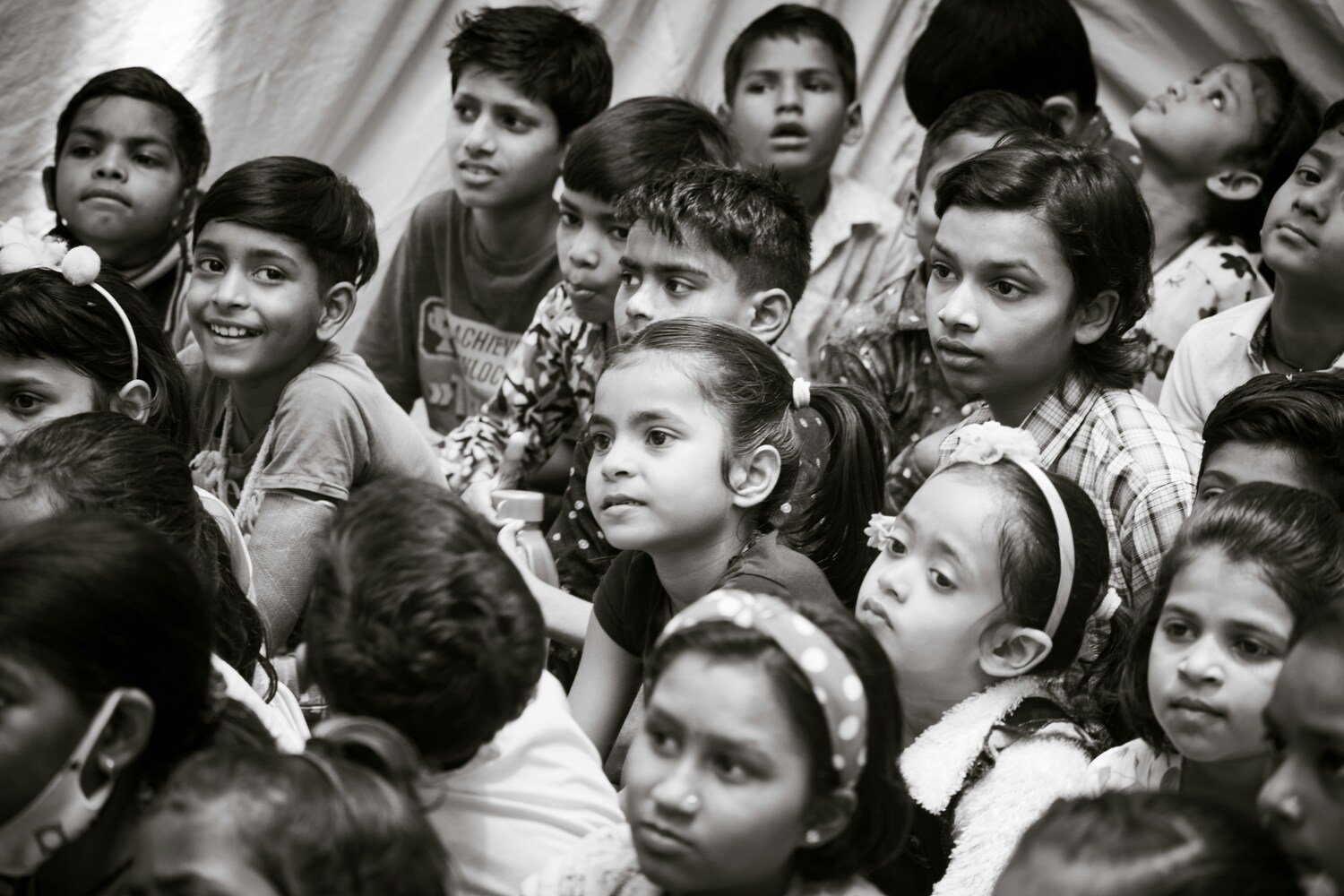
Many parents face the problem of school refusal. A child cries, delays, or says “I do not want to go.”
You feel confused and worried.
By understanding how to deal with school refusal in children in India, you reassure your child with calm and care.
Why Children Refuse School
Children refuse to go to school for various reasons.
Some children may feel frightened or confused.
Some face troubles with friends or studying.
Some reasons why children commonly refuse to go to school are as follows:
- Scare of teacher or strict rules
- Teasing or bullying
- Hard homework
- Fear of examinations
- No friends in class
- Change in school or home
- Feeling shy or weak in one subject
- Missing parents and home
These are real feelings.
Children need support, not blame.
Signs of School Anxiety
- Crying in morning
- Stomach ache or headache prior to school
- Difficulty dressing or feeding
- Asking to stay home
- Fear at school gate
This may show how school anxiety is dealt with in kids.
10 Expert Tips to Support Your Child
Step 1. Listen With Love
Sit next to your child and speak slowly.
Say, “Tell me what bothers you.”
Listening builds trust fast.
Step 2. Keep Morning Routine Simple
Rise early.
Prepare the school bag and tiffin before sleeping.
Calm start helps a strong day.
Step 3. Firm yet P Maison
Do not shout or force.
Say, “We go step by step. I am with you.”
Step 4. Speak with Teachers
Tell teacher your concern.
Ask the teacher to support your child in class.
This helps how the teachers can support anxious students.
Step 5. Confidence Building
Praise small wins, like wearing uniform fast or going to catch the bus.
Confidence grows with practice.
Step 6. Visiting School Together
Meet teacher, play in school ground, see classroom.
Familiar place reduces fear.
Step 7. Practice Relaxation Breathing
Tell child to take deep breath.
Slow breathing helps relax the mind.
Step 8. Friends Encouragement
Ring a class mate for playing.
Friend comfort supports morning routine.
Step 9. Use Story Method
Story of brave school child.
Stories give strength.
Step 10. Ask for Assistance When Required
If the fear persists, visit a school counselor.
Draw on parent counseling for school refusal in India as reinforcement.
School Phobia and Separation Anxiety
Among Indian students, some children show school phobia and separation anxiety.
They are even afraid to stay away from home.
They are afraid something terrible will occur.
Caressing, cuddling, and slow walking are helpful.
Child Not Wanting to Go to School: Causes and Solutions
The child not wanting to go to school causes and solutions are in most demand by parents.
Possible causes include fear, slow learning, and low confidence.
Solution: Love, routine, and teacher support.
Emotional and Behavioral Problems
Some children show concern, irritation, or reserve.
These are emotional and behavioral conditions related to school-age children.
Listen, reassure, and offer consolation.
How to Encourage a Child to Attend School Regularly
Use simple praise, small goals, and morning hugs.
Say, “I am proud you try.”
These are steps to encourage a child to go regularly to school.
Overcoming the Fear of School in Primary Children
The little children require gentle steps.
Walk to class, speak to teacher, and add small rewards.
This demonstrates overcoming the fear of school in primary children.
Tips for Parents
- Talk to guidance counselor
- Talk softly and slowly
- Praise effort
- Homework help
- Provide healthy breakfast
- Sleep early for a fresh mind
- Attend school events
These are helpful tips for parents coping with school refusal.
How Parents and Teachers Work Together
Parents inform, and so do teachers.
They plan small goals, for instance, sitting in class for 1 hour, then the whole day.
It points to how teachers can support anxious students and how to motivate a child in attending school regularly.
Extra Support Topics Used Here
Managing School Anxiety in Children
School phobia and separation anxiety among Indian school students
How does one motivate a child to have regular school attendance?
Emotional and behavioral issues among school-going children
Parent counseling regarding school refusal in India
Overcoming School Phobia in Primary Children
Communication between home and school helps students
FAQs
Q1. Is school refusal normal?
Yes, many children face that.
Early support for rapid change.
Q2. Should I let my child stay home?
Only for a short time, in case he feels sick.
Slow return to school works best.
Q3. My child cries every day. What should I do?
Hold the child.
Talk to teacher.
Start slow steps.
Q4. Who can help us?
Teacher, a school counsellor, or a child doctor.
Conclusion
School refusal requires love, patience, routine, and teamwork.
Now you know how to handle school refusal in your children of India in a cool and easy manner.
With gentle encouragement and sure steps, your child again feels secure and pleased to go back to school.
You guide today, your child grows tomorrow.